Corporate Christmas Catering: Stress free options for your work party
The end-of-year rush is real. Deadlines are piling up, diaries are filling, and somewhere in the middle of it all someone has to organise the
When people start planning an event, one of the first questions we hear is:
“Why is catering so expensive?”
It’s an honest question and the answer isn’t just about the food on the plate. Quality catering involves people, planning, equipment, logistics, and compliance, all working together to deliver a seamless experience.
At Good 2 Eat Catering, we believe in being transparent about what goes into every event. Here’s a closer look at where your money really goes — and why professional catering is worth it.
The foundation of any good meal is great produce.
We source from Sunshine Coast growers and suppliers from Woombye and Kenilworth cheeses to seasonal fruit, vegetables, and locally caught seafood.
Buying local means fresher, higher-quality ingredients, but it also costs more than imported or mass-produced alternatives. The upside is better flavour, lower food miles, and direct support for local farmers and producers, something we take real pride in.
Behind every plated dish or grazing table is a team of professionals working long hours before and after your event.
Your quote includes more than just the chefs cooking on the day. It covers:
Planning and prep time for menu design, ordering, and warehouse logistics (everybody’s menu is different)
Event-day service, including travel, setup, cooking, and pack-down
Kitchen hands, waitstaff, and bar crew trained to deliver smooth service
Post-event cleaning, dishwashing, and restocking
Every person plays a part in making your event look effortless and that coordination is part of the cost of quality catering. Behind the scenes, there is a lot to organise.
Catering outside a restaurant means bringing the restaurant to you.
We supply and transport everything needed to safely prepare and serve your food, ovens, refrigeration, benches, serving trays, and gas.
Our mobile kitchen fleet, including vintage-style vans and purpose-built trailers, gives us the flexibility to cater anywhere across the Sunshine Coast and Hinterland. But that mobility also means additional costs in fuel, maintenance, setup, and compliance.
Every detail, from keeping food at the right temperature to washing equipment afterward, is part of ensuring your event runs without a hitch.
This is the part that surprises most people, the admin and coordination hours that happen before any food is even cooked.
Each event involves multiple steps:
Initial enquiry and quote preparation, understanding your vision, budget, and menu preferences
Follow-up communication and adjustments, fine-tuning details as your event evolves
Final confirmations, guest numbers, dietary requirements, and timings
Run sheet creation, compiling all information into a clear, minute-by-minute plan for the kitchen and event team
Creating a packing list, with detailed requirements needed for your event so nothing is missed on the day.
Warehouse coordination, scheduling equipment, packing lists, delivery vehicles, and staff assignments
What looks like a simple function on the day might represent 10–15 hours of office time behind the scenes, often more for weddings and large corporate events. It’s careful, detailed work that ensures the kitchen, warehouse, and service teams are aligned so the event runs smoothly.
Every professional caterer must maintain strict standards to protect their clients and their staff.
This includes:
Food safety certifications and regular audits (via Safe Food Pro)
Public liability and equipment insurance
Council licensing
Waste, recycling, and sustainability systems
Liquor licence
These aren’t optional, they’re essential. They guarantee that the food you’re served is safe, traceable, and compliant with Australian regulations.
Every event is different, and travel time is often a hidden factor in catering costs.
From early-morning bump-ins to late-night pack-downs, a full wedding day might involve:
4 hours of travel and setup
6–8 hours of on-site cooking and service
4–6 hours of prep the day before
2–3 hours of cleaning and restocking afterwards
Add in the admin and coordination time, and it’s easy to see how a single event can represent 25–30 total staff hours before the lights even turn on.
When you book a professional caterer, you’re not just paying for food; you’re paying for experience, reliability, and peace of mind.
You get:
A licensed team who handles everything
A coordinated service that runs to schedule
The reassurance that every dietary need and detail is covered
That’s what allows you to actually enjoy your own event instead of running around trying to make it all happen.
Catering might seem expensive at first glance, but when you break it down, it’s easy to see the value. Behind every event are hours of planning, logistics, prep, and passion.
At Good 2 Eat Catering, we’re proud of the care that goes into each event — from the first phone call to the final pack-down. Our goal is to make your celebration seamless, memorable, and worth every bite
The end-of-year rush is real. Deadlines are piling up, diaries are filling, and somewhere in the middle of it all someone has to organise the
You’ve planned the canapés, chosen the main meal, organised the drinks and probably spent more time thinking about your wedding menu than you ever expected.
One of the biggest decisions when planning an event is how you want your guests to eat. Do you want everyone mingling with a drink
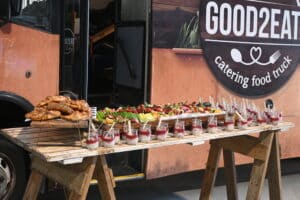
Why a Recovery Brunch Is the Best Wedding Add-On! There’s a moment on every wedding day when the music stops, the last guests wander off,
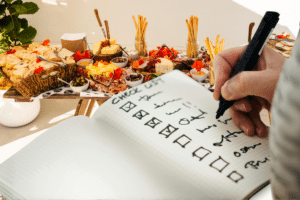
A Catering Checklist to find the best caterer for you and your event! Booking a caterer can feel a bit like a leap of faith.
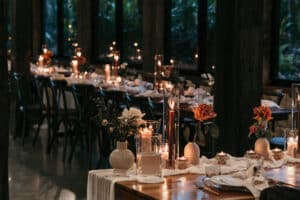
Buffet vs Shared Feast: Finding the Perfect Event Style When planning a special event, one of the biggest decisions is choosing the right dining style.
We booked Good 2 Eat Catering via our wedding planner for an intimate elopement dinner. Chef Silas was incredible. From the delicious food created, to offering additional help with cake cutting and keeping wine glasses filled, ensuring the kitchen area and kitchenware was left in pristine condition to being friendly and chatty whilst working. Myself and my guests had an incredible evening and wouldn’t hesitate to book them again for any future functions.
We couldn’t have asked for a better catering team for our wedding than Good2EatCatering. From the very first conversation, they were friendly, professional, and so easy to work with. On the day, everything ran perfectly, the food was fresh, beautifully presented, and delicious (our guests are still talking about it!). They listened to what we wanted, offered great suggestions, and made sure everyone, including those with dietary needs, was looked after. Their service was warm and attentive without ever being intrusive. If you’re considering them for your wedding or any special event, do it, you won’t regret it!
We were so grateful to have Good 2 Eat provide the catering for our Lionhearted Lunch, and it was absolutely perfect. The bowls they created were fresh, delicious, and beautifully presented, full of flavour and made with so much care. Our guests were raving about the food, and it elevated the whole experience. Beyond the taste, the service was warm, professional, and effortless, which made it such a joy to partner with them. Thank you for nourishing us so well, we can’t wait to work with you again.
The team at Good 2 Eat from start to finish for our wedding were exceptional! Gail’s communication made it seamless, exciting and not stressful. She was patient and kind! Simon, Jill and the amazing team of waiters and servers were so professional, friendly and on time. Graham the chef was next level AMAZING! The food was divine and as promised so plentiful our guests could not stop giving us positive feedback all night. The personalised requests were catered for and made our day that little bit more special. We cannot thank the Good 2 Eat team enough, words do not do it justice! Good 2 Eat will always be recommended by us and our guests and will always hold a special place in our hearts. No faults at all! Thank you for your incredible service. Love Andrew and Nikita Powell.
We were served delicious food last night at a neighbours party, (Sat. 11th Oct. ’25) by the caterers Gail, Mark and Martin, who were wonderful. There were beautiful vegan options for me, and my wife enjoyed everything. The food was made with fresh ingredients, cooked at the party, came out at great regular intervals over the space of a couple of hours, everything was extremely tasty and felt very healthy. Gail looked after us with a great selection of drinks and brought a very cheerful atmosphere to the party, as did Mark and Martin. I think the food experience at the party made the whole gathering great, everyone was very pleased and satisfied. Thank you very much to these highly conscientious caterers, I would definitely have them at any event, the quality was exceptional. Matt and Amanda Gould.
From start to finish, I am so impressed by Good 2 Eat. Gail was dedicated to make sure the day ran smoothly which was particularly a task given my wedding was on a private property. The food was incredible, we received so many compliments and it was absolutely delicious. Adding bar staff was well priced and service was fantastic. So happy we went with Good 2 Eat and I would recommend them to anyone wanting great service and food for their special day.
Good 2 Eat were very easy to communicate with. You can tell they have a lot of professional experience catering at weddings and events. They were seamless at our wedding and really helped make our day flow. I never had to worry about them, and they were always one step ahead of me, which I appreciated considering I planned my own wedding and didn’t have a wedding coordinator. Not to mention the food was fantastic, there was more than enough for everyone. Everyone had great things to say about the food. Highly recommend for stress free catering.
We couldn’t have been more thrilled with the fabulous catering provided by Good 2 Eat Catering to help our entire family celebrate my husband’s 70th birthday. I was very appreciative of the lovely support they provided me in the planning, and the delicious meal for 30 guests delivered exactly on time to a hinterland location, well heated, beautifully presented and generously provided to satisfy even the most enthusiastic of appetites. The range of menu options covered all of our preferences and the quality of the meals was wonderful. I can highly recommend this fabulous catering service to enhance anyone’s important celebrations, certain to please! A big thanks to the very lovely and talented staff. Regards, Karen.
Incredible food served at the event included delicious beef spring rolls, delectable pumpkin and feta arancini, sweet potato and guacamole bites, and the yummiest gluten free chocolate brownies with salted caramel sauce. Chef Graham and his team should be commended on their attention to detail and friendly service. Would highly recommend them to any event being planned. Couldn’t get photos as I ate everything too quickly.
Gail, Simon, Imogen, Tyson, Ari and Mark were amazing! Had great chats with Imogen, Tyson and Gail about life and the business. Imogen was nice and chill and had great chats for a while. Great food from the chef, Simon! I spoke to Gail and Tyson for a while about their seasonal change from Adelaide and to Tyson about university. Great night, good chats and good vibes! Thanks heaps!
Having Good2Eat cater for our party made hosting at home completely stress free. The food was absolutely delicious, and the presentation, especially the stunning grazing table, was a real highlight. Everything ran seamlessly thanks to their organisation and attention to detail. A heartfelt thank you to Gail and Graham for making sure all our guests were looked after so beautifully. You truly made our celebration an entirely enjoyable experience from start to finish.
I decided this Christmas I didn’t want to do all the shopping, preparation and cooking on the day. I ordered a 3 course meal for 12 from Good 2 Eat. It was the best decision I have ever made. My Christmas was stress free and everyone just loved the food. The menu was great, the food was hand delivered Christmas Eve with heating instructions. The desserts were amazing. I cannot recommend this company highly enough. They also catered my daughter’s Engagement Party. Won’t use anyone else. Thank you Good 2 Eat.
Graham and Kacey of GOOD2EAT recently catered for a family celebration of close to 60. The food was delicious and punctually served. They are delightful people and accommodated our needs happily and precisely. Thanks to both of you and the behind the scenes staff at GOOD2EAT. It was a pleasure having you for our event.
I had a Good2eats meal at a business meeting I attended. Their food was delicious and nutritious and beautiful. A great, convenient event lunch. I definitely recommend. Wonderful to support a local family owned business as well.
We were so fortunate to have Good2Eat cater our recent Elopement. From the initial enquiry, through to planning and then the actual delivery of the event, we could not be happier. We intend to use Good2Eat again for future celebrations. A special mention to Kacey and Silas for taking such excellent care of us, our pugs and our guests on the day. Thank you.
We had a great experience with Good2Eat! Everything was perfectly organised and the food was delicious. A special mention to Arianna for her professionalism, kindness, and attention to detail, she made everything smooth and enjoyable. Highly recommended!
Thank you, Good 2 Eat Catering, your food was amazing. Harlequin had a coffee morning where the food was delivered fresh and hot from Good 2 eat, lots of comments that the sausage rolls were some of the best, they had tasted, and the frittatas were so delicious. I cannot recommend highly enough the food was so fresh and tasty. You will not be disappointed to have this team do your catering.
This is the second time I’ve used Good 2 Eat Catering in the last 4 years. Last time was with full staff service at my private address. This time it was a full Buffet drop off. Drop off was spot on time. The food was hot and meat was cut ready for serving, and there was ample food with leftovers. My guests raved about how good the food was. Plus all of the lead up prior to the day was very professional. I would highly recommend Good 2 Eat Catering for any small or large gatherings. Best on the Sunny Coast.
Good 2 Eat catered for our wedding in May 2024 to absolutely rave reviews from our guests! Those with dietary requirements particularly rated Good2Eat highly for their communication and dedication to ensure the food served was safe for them to eat without worry. Delicious food and wonderful service, would highly recommend!
Chef Silas, Graham and Ari provided exceptional food and service at the Garmin Noosa Triathlon VIP event. The best service we’ve had in many years.
I had this catering service for a course in the sunshine coast. Food was amazing, better than a restaurant. The quality of the product and the flavours are just next level. Bec did an amazing job and could not recommend them more if you’re looking for top quality service.
Absolutely amazing food and team, from when we first contacted Simon and Angelique at Good 2 Eat they were so professional and lovely. They catered to the special dietary requirements of our guests so that all our guests could enjoy their meals without any concerns. The team on the day were so lovely and just got in and set up without us having to worry about anything. Every one of our guests has commented on how much they enjoyed the grazing table and our reception feast meal all the food was delicious. The bar team were also fabulous tending to the needs of our guests with a huge smile. I highly recommend Good 2 Eat.
We hired Good 2 Eat Catering for our conference welcome event, and we were not disappointed! They were so easy to work with, communicated regularly and nothing was a problem for them, including catering to our dietaries. Would definitely recommend for your next event!
These guys catered to a significant event yesterday. Not only was the food delicious and served on time, they were willing to adapt to a couple of changes. Nothing was too hard! And all done with such a great attitude. Special mention of Graham, Silas, Mark, Ari and Ella! You guys made everything on the night seem so effortless with the most beautiful smiles! Thank you so much!
Good2eat Catering did a fantastic job at our wedding. All our guests said how delicious the food was and that the staff went above and beyond to make sure everyone was happy. If you are looking for amazing food and great service, look no further, get these guys to cater your next event! I would highly recommend them, 5 out of 5 guys! Thank you so much! Jess and Phil.
Good2Eat Catering are an absolute dream to work with!
We truly feel as if Good 2 Eat’s beautiful and delicious food made our Wedding day on 10/5/25 so much more magical! Our guests have genuinely not stopped raving about the food, saying it was not only the best wedding food they’ve ever had, but some of the best food in general! Not only did they provide amazing canapés and feast dinner but also a glorious recovery brunch the next morning! We were just as grateful and impressed by all the staff’s happy and friendly demeanour, despite the challenging weather and change of plans! Recommend Good 2 Eats to everyone!
I definitely recommend Good 2 Eat! They catered for our father’s 90th birthday and were excellent. Nothing was too much trouble. This included changing some recipes to cater for food allergies. We only had two waiters for around 90 people and they were so calm, competent and friendly we quickly realised we could just leave them to it. Everyone commented on how good the food and wait staff were. They really did help make the day a very special occasion.
Good 2 Eat recently catered for our wedding at Maleny Country Estate. We had canapés at cocktail hour followed by a feast menu! The food was absolutely delicious and plentiful! No one went hungry! Simon and Gail were great communicators in the lead up to the event, were accommodating with dietaries and all around lovely to deal with. We also had them come back the following day to make a recovery breakfast and this was one of the best decisions we made! We wouldn’t hesitate to use them again!
We recently used Good 2 Eat Catering for our wedding in Montville. Just WOW, the food was incredible, all the guests were commenting on how beautiful and fresh the food was. We did canapés and the feasting menu, it did not disappoint. The staff on the day, Silas and Kaley were absolutely AMAZING. Their service, hosting was just faultless. I cannot tell you how exceptional they truly were. They went above and beyond, it was all the details. For example my wedding knife was just a stainless steel one (I didn’t have time to buy a better option) and Kaley got a ribbon and put a white bow on the knife to pretty it up. I mean, she really didn’t have to but I am mentioning the level of care and detail. They also made sure that as the bride and groom that we got served canapés whilst we were having photos, they were just such attentive staff. I will also mention Gilly who is in the office there and helped me with the entire menu. She really was amazing and really helped me pick some great options. Anyway, highly recommend this company. If you want quality food, I would not look anywhere else.
Incredible service! Good 2 eat catered for a friend’s hens party. They were extremely good with communications, punctual, incredibly helpful with dietary requirements and the food was DELICIOUS. I could not recommend them more!
Good 2 Eat catered our wedding at Mt Glorious. The food was delicious and the menu was modern and inclusive. Great experience. Catered for multiple allergies.
Ari and Michael were incredible! The food was fresh and full of flavour, and the service was warm and efficient. I’ll definitely book again.
Imogen was fantastic, super friendly and kept my cup filled all night. Highly recommend for any event and would have her back any time.
Thank you to the team at Good 2 Eat catering who catered for our Staff Christmas Party last December. The food was amazing and the staff were incredibly professional and prompt to reply to all of our requests. We value their expertise and can highly recommend them. We will certainly be using their services again for any upcoming events.
Worked alongside them for a school event, had the pleasure of eating their food and also getting to know them! They were lovely and welcoming, thanks in particular to Casey and Michael.
Very tasty and healthy option to catering. The meats are very tender, the veg very tasty and individual servings an ideal size. I highly recommend Good 2 Eat for catering your event.
My thanks to you and your team for an excellent job. Food was delicious, service excellent. Special thanks to Mieke, who was charming, helpful and obliging. It all worked like clockwork. Graham Pinn.
Good 2 Eat were a pleasure to work with, from the beginnings of planning our event to the end. They gave excellent advice, were so kind and friendly, great communicators and the food was amazing. Staff on the day could not have been more professional. Highly recommend!
Chef Graham and his staff did a fantastic job at the Stockland Halcyon open day in Beerwah. The quality and variety food was sublime. Would definitely have them at my events.
My partner and I recently eloped and we engaged Good2Eat to provide grazing board and canapés for a small group of guests and to provide us with a private chef for a 3 course meal for hubby and I as we didn’t want to go out on our wedding night. Gail took all our information, helped work out logistics for a location we’d both never been to before and was very communicative and friendly. On the day the grazing board and canapés was perfect size and just delicious. The yummiest cheeses, the tempura fried halloumi was incredible, along with the beef skewers with chimichurri. Everything was just so tasty and worked well together. Our 3 course meal was also delicious, made onsite by an Argentinian Chef who was so sweet, friendly and accommodating. We thoroughly enjoyed our meal and completely forgot to take a photo. We would absolutely recommend Good2Eat Catering.
Could not recommend this company enough. The food was amazing, everyone was super complimentary about it and the team were fantastic. Kacey and the crew of the day were impeccable. Zero issues and excellent communication throughout. Our event was meant to be around the uncertainty of the cyclone and had to be rescheduled and the company was beyond amazing about it all. Would absolutely use again. Thanks team!
The food and service was amazing. We had people commenting on the food weeks later. Thank you so much to the team, especially Gail, for all of their hard work and communication in preparation for our wedding.
Had a small family function and this made the day so easy and smooth. Great Service, food was amazing, arrived on time and was hot and ready. Was also delicious. Very generous portions and such an easy process. Staff and management were very kind and helpful. Would absolutely recommend. Catered to our dietary requirements really well. Thank you! Sonya Kodet-Samin.
We chose to have Good2Eat as our wedding caterer. We opted for the drop off hot food. It was absolutely delicious, everyone enjoyed the food. They were helpful when planning and accommodated well for some of our guests dietary requirements. A perfect choice for our wedding reception.
Cannot talk highly enough of Good 2 Eat! From the planning with Angelique, to the service and amazing food on the day, they were incredible! All our guests raved about the food (including me and my husband!) and they were all such lovely people to have around on our special day! Mick and Krystal.
Imogen, Gail Mark Ari Simon Tyson and the crew did a great job tonight! Made the wedding reception we were at great.
Booked these guys to cater a party for 20 people. Was awesome to be able to choose all the yummy options on their website a few weeks before and then just organise to go and pick it up on the day of. They were fantastic. Easy to deal with when I had to call and adjust the order a few weeks out, processed a refund immediately. And when the day finally came the food was incredible, everyone commented on how good it was. Especially my vego friends who remarked that usually vego options at parties was a bit crap, but the mushroom sliders, arancini balls were a huge hit. Would definitely recommend!
AMAZING. We knew as soon as we saw the menu for Good 2 Eat that we needed them for our wedding. Communication and planning was easy and staff on the day were professional and friendly, they even made a special tasting plate so we didn’t miss out while getting photos. The food was incredible and we are still getting compliments from our guests. We cannot recommend Good 2 Eat more highly!
Chef Silas and Ari were absolutely wonderful. They were friendly and service was so good. The food was delicious. Thank You.
Amazing Good 2 Eat catering and food was amazing! Gail helped plan everything to a T, and made it stress free! Bec was also amazing! Will definitely be hiring you guys again! Thank you!
Had good 2 eat catering at an event we attended and it was absolutely delicious! Well presented, balanced flavours and just the right size portion!
The food was absolutely delicious and beautifully presented. Ari and Michael provided outstanding service from start to finish. Highly recommended!
Had a great experience with Good 2 Eat Catering. Food was amazing and Gail went above and beyond to ensure everything went smoothly. Great work.
Good2Eat have catered for us a few times and each time has been different. Outdoor catering for a large group, a private dinner for a small group and a buffet dinner. Each has been seamless, easy to order and the food is always delicious.
Top quality catering with excellent food and friendly service. Ari and Michael made sure every detail was perfect, truly a five star experience.
Good 2 Eat provided our wedding catering and it was amazing. We had a vegetarian menu which the guests all raved about. Staff were very friendly as well. Definitely recommend!
We had Good 2 Eat Catering cater an event in our LifeFlight Hangar for 30 people. Everyone was very impressed with the food and it was prepared on time and served beautifully.
I attended an event that you guys were catering and it was honestly amazing. There was this one young man Tyson who helped me and he was amazing, he was very polite and well mannered. 10 out of 10.
For the same reason, I wanted to enjoy our guests’ company with a stress free evening. It was my husband, Iain’s, 80th celebration. What a great success it turned out to be. Gonso the chef and the girls, Grace and Imogen, all did the most amazing job. The food was impressive. The wine flowed throughout the evening and there was no cleaning up to do. What a 10 out of 10 outcome. THANK YOU.
Highly recommend Good 2 eat they are amazing, the food was delicious and Gail was so professional and responsive with all her communication about the event. Thank you.
A huge thank you to Good 2 Eat Catering for their outstanding service and food. We’ve had the pleasure of using them twice for corporate events. Their food not only looks incredible but tasted just as good. Their ability to cater to all our food allergies, intolerances and preferences has been seamless and truly appreciated. Highly recommended.
We couldn’t have been happier with Good 2 Eat catering for our wedding! The food was absolutely delicious, with every dish bursting with flavour and beautifully presented. Our guests raved about the variety and quality, and the team was professional and accommodating throughout. They truly made our special day unforgettable, highly recommend!
Jilly, Gail and team provided an excellent catering service. The food presentation was beautiful and the food offering was of high quality. Thank you team for a job well done.
Our experience with Good 2 Eat Catering was exceptional from our first communication to waving them farewell after the event. They catered for our son and daughter in law’s wedding which was held on their property. They arrived on time, served the meal on time and their staff were friendly and helpful. We ordered the feast and the food was incredible! Many of the wedding guests commented that it was by far the best food they had ever had at a wedding. Thank you so much to all the team for such a perfect outcome for us all.
I attended an event on Saturday which was catered for by Good 2 Eat. The food was delicious and served by the delightful Imogen. Would highly recommend you!
We chose the buffet package drop off menu for our Christmas in July event recently. The process from start to finish was seamless. Delivery arrived on time with clear instructions on reheating options. There was no question the food was delicious but the reason we chose Good 2 Eat Catering was because the minimum number of guests. A lot of other local catering companies has minimum numbers of 30 which rules them out completely. Not everyone has such large events so this was a major positive for us. The other reason was because we had the option of selecting the drop off menu. This of course kept costs down as we didn’t need all the fancy extras for our event such as chef or servers etc. We will definitely be using Good 2 Eat catering again for our annual Christmas in July event.
Delicious, tasty, fresh and healthy. We had Good 2 Eat Catering salads to compliment the BBQ that we cooked in the park. So easy and timing was perfect. We had lots of different allergies and preferences but we still had plenty to choose from.
My 50th birthday guests absolutely loved the food! The Wagyu sliders, the pulled pork pancakes and the eschalot tarts were to die for. All food arrived hot and right on time. The whole process of ordering online was so easy. Thank you Gail for your patience with my last minute changes!
Fantastic service and the food was perfect for our event. People raved about the baguettes and the muffins. Will be ordering again for my next event.
Graham and Lou were amazing. The food was superb. Far too often the experience of eating out on the Sunshine Coast is underwhelming leaving you thinking I could have cooked this a lot better and with a much lighter wallet to boot, not a nice feeling. Well what an amazing experience it was to experience the complete opposite with Good 2 Eat catering. Graham and Lou provided four courses for our son’s wedding that were all simply amazing. By far the most delicious food I have had in a very long time. Furthermore, the portions were just the right size, no one went home needing more. All the guests loved the food and could not stop commenting on how delicious it was. The service was great. Graham and Lou are awesome, the consummate professionals. I have never given such a glowing recommendation in my life. But the food and their service was simply exceptional.
Simon and the team catered our wedding last month in Maleny. The team were so easy to deal with in the lead up to the wedding and allowed me to chop and change my mind on so many different things! On the day, the service was amazing and the food was mouth watering. The Tasmanian salmon and pork belly were absolute favourites amongst our guests. Thank you so much for making our day extra special.
You can’t get better than Good 2 Eat Catering for your wedding catering on the Sunshine Coast! The food Simon and Jill prepared not only looked amazing, it tasted amazing too. I highly recommend them.
Once again Simon and his Team have excelled and provided fantastic food and service at our Rotary fundraising event held at the fabulous Sunshine Castle. An incredible electrical storm and soft rain just as he had to start serving our delicious food never fazed him at all and the great food just flowed through! There were so many different dietary requirements (I had to Google some of them) as I had no idea what they were and Simon just cheerfully asked us to identify our guests to him and they were served great food as well! Here I am tipping my hat to GOOD 2 EAT CATERING in appreciation! You guys really rock! Thank you so much and see you and your super cool truck at our next event Simon.
We had a lovely meal cooked by Graham at The Ridge Maleny. He was polite, kind and hospitable and made 8 of us a lovely bonfire dinner. Thanks again!
Thank you to Simon and team for catering our event on Thursday. The food was absolutely delicious and beautiful generous portions. Your team were so easy to work with and ensured the food reached all our guests. Thank you again for all your help catering my event and I look forward to working with you again soon!
What a wonderful experience with the company GOOD2EAT. Sensational service, beautiful food and wonderful staff Gail, Mark and Martin. Highly recommend this catering service. Outstanding!
Good2Eat catering catered our wedding and everything was amazing. We had a grazing board, and the fork and talk package for 40 people and everything was so tasty and filling. All of our guests commented on how amazing the food was. The wait staff and chef were polite and friendly and came down to say goodbye at the end of the night.
Ari, Bec and Silas were so amazing, loved their food and attention to detail in service.
Good to eat team were amazing, food was excellent and the service was fabulous. I didn’t have to lift a finger as everything was taken care of. Couldn’t recommend them highly enough. Thanks to the team.
Wonderful experience. Imogen was so good at her job.
What a great catering company. Very efficient staff, polite and pleasant. Gail was amazing.
We attended a wedding on the weekend where Good 2 Eat Catering were hired for the evening’s festivities. Several platters of canapés were brought around while everyone mingled. Then we could serve our meals from the buffet. The meat was tender and the produce used was fresh, colourful and delicious. Our favourite was the coconut beef and the potato dish. This meal helped to set the tone of a beautiful reception with family and friends.
Good2eat catered a business function we attended. Great tasting food. I highly recommend.
This is the second time we have used Good 2 Eat for catering one of our big events, the last one being for our engagement party back in 2021. The fact that we have since got them back for our wedding tells you just how good the food is. My wife is a coeliac and that made it super hard to find vendors that cater around that. Good 2 Eat have so many options to work around lots of different food needs. The staff are so lovely and they are so easy to work with in the lead up to the event. I cannot fault them at all. We had so many compliments from their food both at our engagement party and wedding! Anyone who attended the engagement party was beyond excited to have the same company come back and do the food. Can’t recommend these guys highly enough!
Our NFP organisation recently used Good 2 Eat Catering for our event, we were extremely impressed with their professionalism and service. The team was punctual, friendly, and accommodated our needs. The food was of excellent quality. Good 2 Eat Catering provided an excellent service and contributed positively to our event. Their commitment to customer satisfaction and community support really stood out, and we would gladly recommend them for events where quality and professionalism are a priority.
Exceptional service and delicious food. I hosted my family in Noosa for Easter this year and Good 2 Eat catered our food. We will be enjoying their food again.
We are so grateful for the amazing food cooked and served by Good 2 Eat at our recent wedding, we were blown away by the quality and quantity of the food, so many compliments from our guests! Thank you to Simon, Lulu, Bea, Kacey, Imogen and Ella for the awesome, friendly and fun service you provided on the day, and to Gail for accommodating all of our requests and making everything so easy for us in the lead up to the day! The food truck and bar very much added to the atmosphere of the day, thank you again guys! Jeni and Troy.
We have used the team at Good 2 Eat twice now and we have been blown away each time. The food is always delicious and the service is quick and friendly. Our guests always rave about it! Thank you to Gail and Gonzo for their amazing service on the weekend, our event was stress free and cannot thank them enough for their high attention towards guests with allergies.
Gail, Mark and Martin were great. The prawn sliders were amazing.
Good 2 Eat catered our wedding and they were absolutely amazing. We had a small hiccup on the day with glassware (not a Good2Eat problem), however they took initiative and brought in their own glassware. We were completely unaware until the following day when they told us. The food was amazing, everyone was full and we received a lot of positive feedback from guests. Definitely recommend.
Wow, what an incredible service. We had them for our wedding on private property. We used the pop up tent. The communication leading up to our wedding was outstanding, always happy to answer question and take phone calls. The food was out of this world, we had the duck, pork and beef brisket, with three salads. Every one of our guests were blown away from the food, it has been an ongoing comment for days after. Thank you to the good 2 eat team, you made our day even more special with you kindness and friendly attitude. 100% recommend.
This crew was super easy to work with at very short notice. The food and delivery was excellent. My guests loved it! Thank you for saving me in January!
We hired Good2Eat for our cocktail style wedding reception. All the food was absolutely delicious and fresh! They had such a wide range of choices available so we were able to cater for all the different dietary requirements of our guests. The salmon poke bowl and the burgers were a huge hit and our guests could not stop raving about them! They even took extra care of our vegan guests and ensured they had a version of each of the options and brought them out promptly so they weren’t left watching everyone else eat. Cannot rate these guys higher! Thank you so much for making our day so special.
GOOD2EAT Catering, what a fabulous experience. We attended our son’s wedding on Sunday 17th November 2024 on the sunshine Coast at our daughter in law’s brother’s property! The presentation of the food and drinks was exceptional, the food caravan was so cute and Simon prepared and cooked all the food on site! The staff were all so friendly and attentive to all our needs, the whole night was without fault and the food served was amazing, staff that looked after us were Lulu, Bea, Kacey, Imogen and Ella, would recommend this company for any function.
The food was amazing and the guys who were on site were so easy to work with. Everything ran so smoothly. Excellent in every way. Thank you.
Good 2 Eat catered for a dinner at our recent strategic retreat. The food and staff were amazing. Would definitely use again.
Good 2 Eat Catering provided an excellent catering addition to our wedding. My wife and I received amazing feedback from our guests regarding our wedding food flavours, presentation and overall dining experience therefore, we highly recommend their services for any event.
AMAZING doesn’t even begin to describe Simon and the Good 2 Eat team. They recently catered for our wedding and their food is just incredible! We knew as soon as we saw the menu and their glowing reviews that we had to book them for our wedding. We were just blown away and so happy with how seriously delicious all of their meals were and there was a lot of food so no one went hungry. There were so many compliments from our guests raving about their food and we still find ourselves thinking about it often wanting more after our wedding day wishing the team had a restaurant we could visit again. The staff are all also extremely friendly, helpful, and great communicators and went above and beyond for us in the lead up to and on our wedding day to make sure it was the most perfect day for us. Special thanks to Angelique as well for helping make our day happen. We will be telling everyone we know about these guys. Would not hesitate to recommend and we will be booking again for special occasions in the future. We can’t thank them enough. Insanely good!
Gail mark and Martin are unreal great service and very informative regards to Coeliac friendly needs.